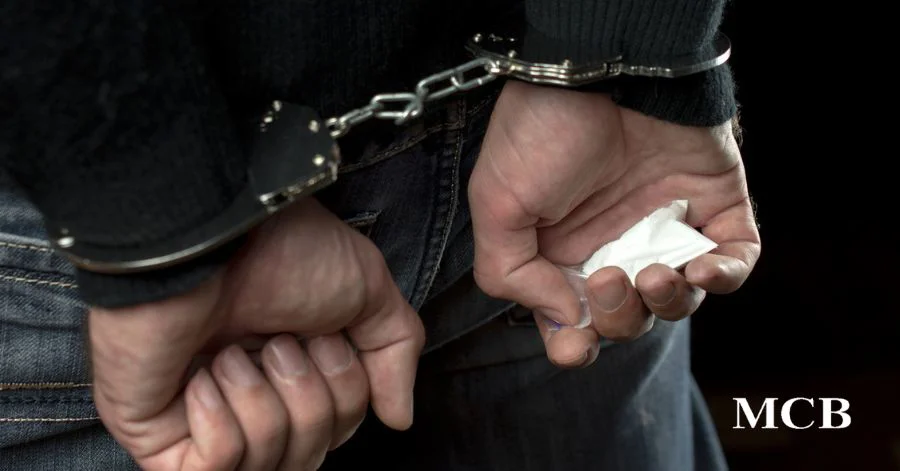
A police officer hands you a citation or slaps handcuffs on your wrists, and suddenly your heart drops into your stomach. If you are facing drug charges in Colorado for the first time, you are standing at a critical fork in the road.
The prosecution wants you to panic. They rely on your fear to trick you into making mistakes that ruin your record, land you in jail, and destroy your future. Do not make their job easy. Here is the exact playbook to protect your rights from day one.
Exercise Your Right to Remain Silent Immediately
The moment law enforcement suspects you of a drug crime, their friendly demeanor vanishes—or worse, gets turned up to lure you into a trap. Officers will act like they want to "help you out" if you just explain your side of the story.
It is a lie. Anything you say will be twisted and weaponized against you in court.
You do not have to explain who you were with, where you were going, or what was in your vehicle. Explicitly state: "I am exercising my right to remain silent, and I want a lawyer." After that, close your mouth.
Never Consent to an Illegal Search
Police officers often rely on coercion to find evidence. They might ask, "Mind if I look in your trunk real quick?" or suggest that refusing a search makes you look guilty.
Unless officers have a valid search warrant or clear probable cause, you have the absolute constitutional right under the Fourth Amendment to say no. Firmly state: "I do not consent to any searches."
If they search your person, car, or home anyway, do not physically resist. Let them make the mistake—your defense attorney will bring the hammer down in court to suppress any illegally obtained evidence.
Understand What Is at Stake Under Colorado Law
Many first-time offenders falsely assume that a first offense means a simple slap on the wrist. While Colorado has reformed some low-level drug possession laws, drug charges remain serious offenses with lasting consequences.
- Felony vs. Misdemeanor: Possessing even small amounts of certain controlled substances (like fentanyl or meth) can carry felony penalties depending on weight and context.
- Collateral Damage: A drug conviction on your record can jeopardize your job, professional licenses, housing applications, and federal financial aid.
- Deceptive Offers: District attorneys routinely pitch quick plea deals to unrepresented defendants. These deals look convenient, but they lock in a permanent criminal record.
Demand Evidence and Challenge Every Detail
Being charged is not the same as being convicted. A relentless defense strategy tears apart the prosecution’s case piece by piece:
- Did the police have reasonable suspicion for the initial traffic stop?
- Was the field drug test accurate, or was it a false positive?
- Did officers violate chain-of-custody protocols when handling the evidence?
If the state breaks the rules, their evidence gets thrown out, and their entire case collapses.
Fight Back with Law Offices of M. Colin Bresee
You are not a criminal; you are a target in a rigid legal system that treats people like case numbers. You need a defense team like the Law Offices of M. Colin Bresee that fights aggressively to protect your freedom, keep your record clean, and hold law enforcement accountable.
Contact us today at (303) 747-4032 for a fierce defense strategy tailored to your case.