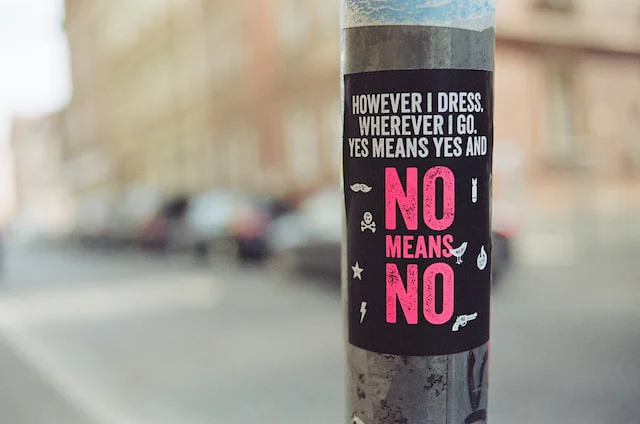

Sexual assault allegations carry serious consequences. This is classified as a felony offense in Colorado, punishable by several years in prison and fines reaching thousands or even hundreds of thousands of dollars. These severe repercussions aim to deter criminal behavior, but what happens if you are wrongfully accused?
Beyond the potential for severe criminal repercussions, those accused of sexual assault face profound stress and social stigma. These allegations can be downright shocking, prompting confusion and fear. Accused individuals may also feel isolated or misunderstood. These difficult feelings can lead to significant oversights that compromise already difficult legal cases and leave the accused in an even more precarious position.
As with any wrongful accusation, strong legal advocacy is a must. With sexual assault charges, sensitivity and compassion are also crucial.
Colorado attorney M. Colin Bresee carries valuable experience in this practice area and serves as a powerful advocate. If you’ve been accused of committing a sexual offense, don’t wait; look to the Law Offices of M. Colin Bresee for strategic support.
Why False Allegations of Sexual Assault Happen
Research suggests that up to 10 percent of sexual assault allegations are false. In these cases, physical evidence is often limited, as Colorado law prioritizes consent in its definitions of (and response to) felony sexual assault.
Many other factors shape sexual assault allegations; no two cases look quite alike. Often, allegations accompany other conflicts: breakups, custody battles, or domestic violence disputes, for example. Young men (such as college students) are frequently accused, although women can face similar allegations. Many cases are further complicated by intoxication and questions of informed consent.
No matter the circumstances, innocence is not enough to secure the desired case outcome. Strategy matters from day one. By taking early action, forward-thinking attorneys can preserve evidence and set the stage for a clear and credible defense.
8 Steps to Take If You’re Falsely Accused of Sexual Assault
A prompt, yet measured response is critical in the first few hours and days following a false sexual assault accusation. Act quickly and deliberately to avoid missteps that could complicate your case.
Early essentials include remaining silent, preserving evidence, and finding an attorney. Review this roadmap for what to do when falsely accused of sexual assault.
1. Exercise Your Right to Remain Silent
The first and most important thing to know about responding to false accusations of sexual assault: remain silent. Anything you say (whether to the accuser or law enforcement) can be used against you.
Phrases or conversations that seem harmless could ultimately be taken out of context and may undermine your case. As such, all interviews with detectives should be avoided until you are accompanied by a trusted criminal defense attorney.
2. Cut Off All Contact with the Accuser
Remaining silent means avoiding any semblance of contact with the accuser. Any contact (no matter what is said) can compound criminal charges. Do not send text messages or emails, and do not get in touch via social media. This advice extends to the accuser’s social circle: do not get in touch with this person’s friends or family members.
3. Hire an Experienced Criminal Defense Lawyer Immediately
The sooner you get in touch with a criminal defense lawyer, the better. An early and strong legal presence can limit the potential for self-incrimination, but the benefits do not end there: your attorney can help you preserve evidence while building an effective defense strategy.
When contacting attorneys, look for flexible options such as consultations and payment plans. These take the pressure off, so you can get legal support right away without worrying how it will impact your finances or your case later on.
M. Colin Bresee offers free consultations along with payment plans that improve accessibility and empower you to act quickly.
4. Preserve All Evidence That Supports Your Account
Because sexual assault allegations can be made with limited physical evidence, resources such as phone records or security videos may provide the most objective insight into your location or actions on the day of the alleged incident. If lost or altered, this evidence no longer supports your case.
Your attorney can help you preserve evidence, but you have a critical role to play: you should avoid deleting any records that could influence your case. Save all relevant texts or emails — or better yet, take screenshots. Also, save receipts, especially if they include timestamps that help you confirm your location.
5. Identify Witnesses and Build Your Alibi
Many sexual assault cases rely heavily on testimony. Strengthen your case with reliable witnesses who were present during the alleged assault or who can verify your location at the time of the incident. These witnesses help establish or confirm the facts of the case.
Create a list of possible witnesses, but do not contact these individuals directly. Instead, let your attorney follow up with them on your behalf. Continue to help your attorney build a strong alibi; be open and honest during legal consultations and provide all requested documentation, when possible.
6. Lock Down Your Social Media
In sexual assault cases, prosecution often relies on social media to gather relevant details about relationships or activities. It can be tempting to delete posts that seem incriminating, but this could lead to bigger troubles down the road. Missing evidence will ultimately be noticed and will not play in your favor. Others may already have taken screenshots or otherwise preserved digital content.
It may be too late to change what’s been shared on social media, but you can improve your case simply by avoiding additional updates. For now, refrain from using social media altogether; pausing is your best bet for avoiding further evidence that could complicate your case.
7. Understand the Legal Process Ahead
Sexual assault investigations can span several weeks or even months. Even if you are careful in your initial response, your conduct moving forward can have a profound influence on your case and its outcome. Continue to be guarded about discussing your case; when in doubt, seek guidance from your attorney.
Transparency is crucial during legal consultations; keep your attorney up to date about developments, sharing any additional information that comes to light. Do not take polygraph tests or forensic exams unless your attorney is present.
8. Protect Your Reputation, Job, and Mental Health
Your case can take a toll on your mental health. Unexpected consequences may emerge in your day-to-day life: uncomfortable conversations, strained relationships, difficulty sleeping, or general stress and anxiety. Working with a compassionate attorney helps, but self-care is also essential. This might mean limiting time spent on social media and setting clear boundaries for how (or whether) you’ll discuss your case with loved ones.
Meanwhile, you can preserve your professional reputation by documenting your performance and conduct. Do not discuss your case at work; seemingly casual comments could be misinterpreted or even used against you.
How Do You Defend Yourself Against False Accusations?
A tailored strategy is crucial when responding to false accusations of sexual assault. Therein lies the need for a skilled criminal defense attorney — ideally, someone with a strong track record in navigating sexual assault cases.
Criminal defense attorneys use many tools to strengthen your case. Cross-examination reveals inconsistencies in witness testimony, while expert analysis could show how technical evidence supports your version of events. Forensic reports surface gaps that might call certain evidence into question.
An effective criminal defense attorney will use these strategies and resources to build a clear narrative that supports your case.
What If False Allegations Were Made but No Charges Filed?
False accusations are not always immediately accompanied by formal charges. Still, caution is advised, as charges could still be filed later on. In Colorado, the statute of limitations for most sexual assault allegations spans a full twenty years.
Protect yourself by documenting interactions and preserving evidence. Avoid confronting the individual making allegations; this means resisting the urge to respond to accusations on social media.
Speak With a Colorado Criminal Defense Lawyer Today
Strong support is crucial amid fast-moving, high-stakes sexual assault cases. Act quickly to protect your rights; seek legal guidance from a trusted resource such as the Law Offices of M. Colin Bresee.
M. Colin Bresee has a strong background in defending clients in complex sexual assault cases. He is committed to supporting his clients by building a credible and strategic defense from day one. We even offer payment plans to ease the burden of navigating sexual assault allegations. Get in touch today or schedule a free consultation to discuss your case.
Disclaimer: This page (and this website) is not intended as legal advice, but rather, is provided as general information. Viewing this content does not establish an attorney-client relationship.