Police are notoriously reluctant to make arrests in rape and sexual assault cases. A recent study shows that, of 100 reports of rape or sexual assault, only 18 result in an arrest. However, once you are arrested, your odds of conviction increase significantly: 7 of those arrests result in conviction. That’s because by the time police decide to make an arrest in a sexual assault case, they believe that they likely have enough evidence to secure a conviction.
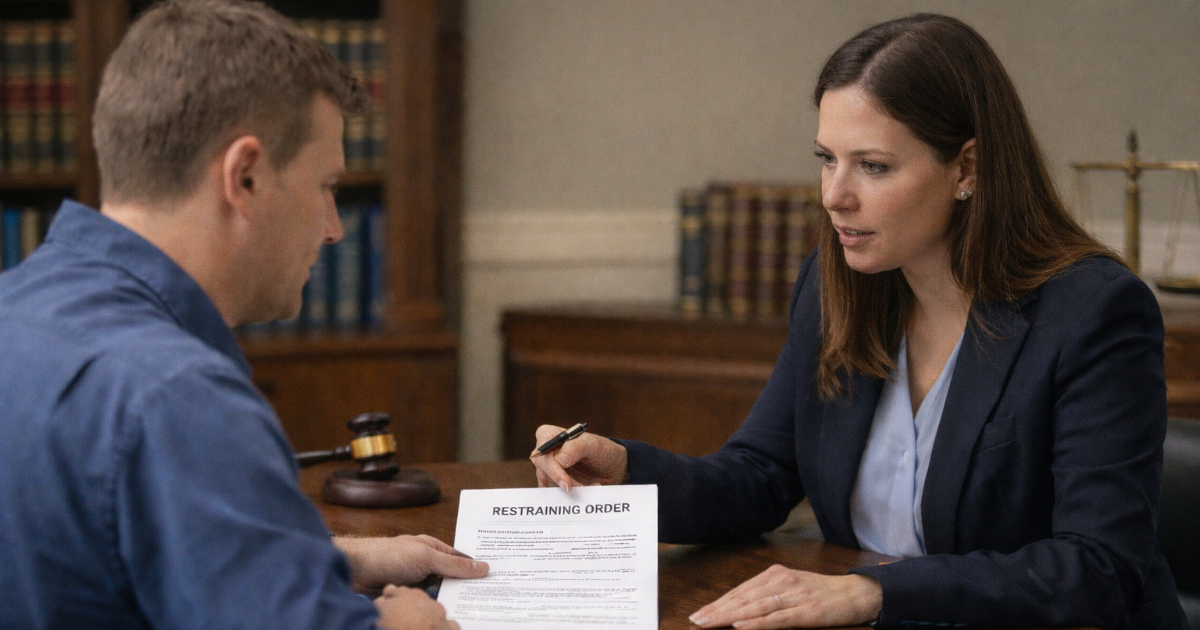
If you are arrested on a charge of sexual assault, you need the assistance of a skilled defense attorney. In fact, it’s often a good idea to talk to a defense attorney as soon as you suspect someone might make a sexual assault accusation, so you can avoid words and actions that might hurt your case. Defense attorney M. Colin Bresee has extensive experience representing individuals facing sexual assault charges. You can learn more about your options through a free, confidential consultation. There is no obligation, and your conversation remains completely private, giving you a safe place to discuss your situation and get trusted legal guidance.
Under Colorado law, sexual assault is any sexual intrusion or sexual penetration without clear consent of the person being penetrated. The law defines numerous circumstances that can meet the definition. Most sexual assault is considered a class 4 felony, with a presumptive sentence of 2-6 years in prison. The use of force, threats, or intoxicants makes sexual assault a class 3 felony, with a presumptive sentence of 4-12 years in prison.
If people work together to commit sexual assault, cause the victim serious bodily injury, use a deadly weapon, or claim to have a deadly weapon, sexual assault is a class 2 felony, with a presumptive sentencing range of 8-24 years with potential enhancement as a crime of violence. In all cases, you will end up on a sex offender registry, usually for life.
Legal Definition of Sexual Assault
Sexual assault in Colorado is defined by Colorado Revised Statutes (CRS) § 18-3-402 as sexual intrusion or sexual penetration without the consent of the person receiving the act (what the law terms “the victim”). The law terms the alleged perpetrator as “the actor.”
Sexual penetration is defined as sexual intercourse, anal intercourse, cunnilingus, fellatio, or anilingus. Any amount of penetration is considered a crime, so there’s no need for emission to meet the definition. Sexual intrusion is intrusion into the genital or anal opening of another person’s body with any object or any body part except the mouth, tongue, or penis, if it can be reasonably conceived of as being for sexual arousal, sexual gratification, or sexual abuse.
Situations where there is no consent include when:
- It is known that the victim does not consent
- The victim can’t understand their own conduct
- The victim believes they are with their spouse
- The victim is less than fifteen (with a person more than four years older)
- The victim is less than seventeen (with a person more than ten years older)
- The actor is in a position of authority over the victim, detained in a hospital or other institution
- The actor performs a fraudulent medical exam
- The victim is physically helpless, and the actor knows it
In situations where the age of the victim is the primary issue, it is not considered sexual assault if the people are married.
The Key Elements Prosecutors Must Prove
To prove sexual assault, prosecutors must prove that sexual intrusion or penetration occurred, that the accused acted knowingly, and that the conditions for a lack of consent existed. This sometimes means proving a deception on the part of the actor. However, it often means establishing the mental state of the victim, which can be harder to establish.
How the Burden of Proof Works in Colorado
When it comes to sexual assault accusations, it can sometimes feel as if a person is guilty as soon as they are accused. This is in part because the accused might experience serious restrictions on their freedom before any trial begins. This is part of the process to protect victims. However, the accused is still considered innocent until proven guilty. A successful defense against charges of sexual assault can restore your rights as well as keep you out of prison.
What “Beyond a Reasonable Doubt” Means
The common legal standard is that criminal charges must be proven beyond a reasonable doubt. This means that jurors must be firmly convinced that the accused is guilty. Current model jury instructions state that if a jury thinks “there is a real possibility that the defendant is not guilty,” they must return a not guilty verdict.
However, juries are just human beings, and their standards for being convinced by evidence will naturally vary. An experienced criminal defense attorney will eliminate any jurors predisposed to convict, but it’s still impossible to predict exactly how juries will respond to any specific set of evidence.
How Sexual Assault Cases Are Investigated and Proven
When law enforcement officers receive a report that a rape or sexual assault has occurred, a police investigation begins. This will often start with evidence directly from the victim, which will include results from medical examinations, such as the collection of physical evidence using rape kits that serve to preserve evidence that may degrade or disappear over time. Evidence will be used to prove:
- Sexual contact occurred: In addition to testimony by both participants and any witnesses, this may include DNA evidence and documentation of wounds, including wounds to the mouth, genitals, or anus.
- Lack of consent: Evidence of a lack of consent may come from medical records of the victim, including any known mental health conditions, the situation in which the alleged assault occurred, or from statements by the victim about their consent. Statements may include texts, messages, and social media posts made by the victim.
- Force or incapacitation: may be proved by evidence from a medical exam showing injuries, either those inflicted by the alleged actor or by the victim themselves in attempts to defend themselves or escape. Levels of drugs or alcohol in the victim’s system may show whether they were drugged or otherwise unable to consent.
- Evidence that an actor knew consent did not exist: may come from texts, messages, or photos made by the actor, including a history of sexual harassment. Social media posts about the specific sexual encounter or others may be used.
In addition, corroborating evidence may come from statements to police or witness testimony. This might include other alleged victims coming forward.
Prosecutors will gather as much evidence as possible to build a criminal case for all required elements of the charge, including that the accused knowingly performed sexual penetration or intrusion without consent.
Common Sexual Assault Defense Strategies
The standard for proving sexual assault in court is very high, and a skilled criminal defense attorney can often prevent prosecutors from reaching that level of certainty. Here are some common strategies that attorneys often use as part of a successful criminal defense:
- Disputing lack of consent: In cases where there is no objectively verifiable lack of consent, defense attorneys will look at the communications between the parties and their behavior to show that it is plausible that consent may have existed or been believed to exist.
- Alibi or mistaken identity: When possible, defense attorneys will offer evidence that the alleged actor could not have committed the act because they were somewhere else. Other times, the defense may cast doubt on the alleged victim’s ability to identify the alleged actor.
- Challenging evidence: Modern forensic evidence can seem compelling and scientific, but a good defense attorney can point out mishandling of the evidence or other flaws in police methods. In addition, criminal defense attorneys can have evidence thrown out if it was gathered illegally.
- Trauma and memory considerations: In trying to cast doubt on the testimony of the alleged victim or witnesses, defense attorneys can point out how unreliable our memories are, especially of brief, traumatic episodes.
When to Contact a Colorado Criminal Defense Attorney
It’s important to talk to a criminal defense attorney as soon as you suspect someone might accuse you of sexual assault. In cases of sexual assault, your actions after the act in question can be damaging to your case, and the sooner you start to get skilled legal advice, the better your position will be.
In order to protect the alleged victim and other vulnerable individuals, the courts will begin infringing on your rights as soon as an accusation is made. You may be able to mitigate these infringements if you are prepared beforehand.
A sexual assault conviction can impact you for the rest of your life—it’s worth it to take all legal steps to protect yourself. M. Colin Bresee brings decades of experience helping people defend themselves from accusations of sexual assault, including high-profile cases. He has worked in prosecutors’ offices, so he knows the criminal justice system inside and out. To find out whether he can help you, please schedule a free consultation immediately. Your consultation is confidential and risk-free, giving you a private space to discuss your situation. No one will be informed that you reached out for legal advice over this sensitive matter. Schedule your free consultation today.
Disclaimer: Past results do not predict future performance. Neither this page nor any other on the website constitutes legal advice and does not establish a client-attorney relationship.