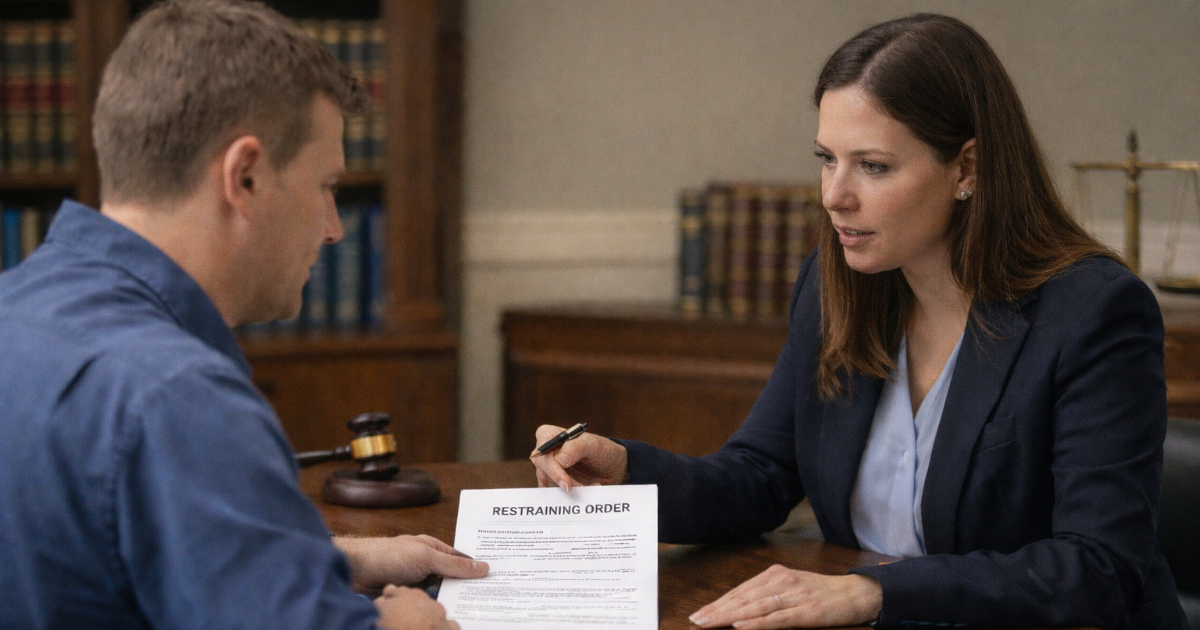
Being charged with domestic violence in Colorado can be one of the most frightening and life-altering experiences you will ever face, especially if it is your first time in the criminal justice system. This may be your first arrest, your first protective order, and your first time staring down a trial.
Unlike other offenses, where first-time offenders often receive leniency, domestic violence charges are different. Because of high-profile cases that escalated into tragedy, Colorado lawmakers have made the penalties extremely harsh—even for someone with no prior record. A conviction can affect your children’s custody rights, your job, your housing, your reputation, and can follow you for the rest of your life.
That is why you must treat these charges with the seriousness they deserve right from the beginning.
An experienced Denver domestic violence defense attorney, like M. Colin Bresee, can immediately step in to protect your rights. He will thoroughly evaluate your case, fight to have the charges dropped or reduced when possible, and build a strong defense if the case proceeds to trial.
To learn exactly how Mr. Bresee can help in your specific situation, contact the Law Offices of M. Colin Bresee today for a free, confidential, initial consultation.
How to Respond to a Domestic Violence Charge
If getting arrested for domestic violence is your first experience with the criminal justice system, we offer several resources that can help you understand domestic violence laws, the process, and how you need to respond:
- What does domestic violence mean in Colorado?
- Understand Colorado’s mandatory arrest law for domestic violence calls.
- What to expect as a first-time offender for domestic violence.
Your most important actions can be boiled down to three:
- Exercise your right to remain silent—even the best-intentioned explanations can hurt your case.
- Seek legal representation immediately; the court moves quickly, and if you take the time to figure out how to handle your case, your window for important actions can close.
- Obey all court orders, especially Mandatory Protection Orders (MPOs). Any contact that violates these restraining orders can escalate your case and worsen your penalties.
Once you make it through the initial chaos of your arrest, you can start thinking about getting your charges reduced, mitigated, or dismissed. Everyone wants to get their case dismissed. The government is not in the business of arresting people and taking them into custody just to dismiss the case a week later. This is especially true with a recanting victim. Talk to an attorney about how a recanting victim will impact your case and the admissibility of evidence.
Specific Avenues for Getting Charges Dropped or Reduced
The best possible outcome of a domestic violence case is getting charges dismissed or dropped. However, this is not always possible. Here are some strategies that your lawyer might pursue to get your domestic violence charges dropped or reduced, including charge reductions or plea deals involving diversion or deferred judgment.
Victim Recantation or Non-Cooperation
Sometimes, you might be able to get the victim in a domestic violence case to recant their testimony or refuse to cooperate with law enforcement officers. This can potentially lead to the charges being reduced or dropped. When this happens, it can occasionally lead to reduced or dismissed charges, but it is never guaranteed. The problem is that with body cameras, victims do not always remember what they said when they were emotional and speaking to law enforcement. Your attorney will need to get the evidence right away.
However, there are caveats to this strategy. First, and most importantly, when you are charged with domestic violence, never reach out to the victim on your own. Doing so may violate protective orders and can lead to serious additional charges. Let your lawyer handle any contact with the victim. They will make sure any contact you have is within the bounds of the law and protect you from more charges.
Second, Colorado law allows prosecutors to proceed with domestic violence charges even if the victim refuses to press charges, recants their testimony, or refuses to cooperate with law enforcement. A victim’s change in position may help your case, but it does not automatically end it. The problem is that all interactions are on body cameras. People do not always remember what they said when they were emotional and on camera with law enforcement. Your attorney will need to get the evidence right away.
Lack of Injury or Minor Injury
The severity of the injury caused relates to the severity of the charges you face. If you can demonstrate that the injuries caused were minor, your charges might be reduced from first-degree assault (a class 3 felony) to second-degree assault (a class 4 felony) or third-degree assault (a class 1 misdemeanor). If you can prove there was no injury, your charges might be reduced to menacing.
Diversion Programs: An Alternative Path
Sometimes, it makes more sense not to fight a domestic violence charge, but to take advantage of alternatives to the traditional trial. This option isn’t available in every case, and the district attorney has to agree to offer it as part of a negotiated plea. If you qualify for pretrial diversion, this means you acknowledge your crime, attempt to restore damage to the victim, and take classes to give you strategies for avoiding future crimes. When you successfully complete the program, the charges will be dismissed and may never impact your career.
Deferred Judgment and Sentence
A deferred judgment is another way to avoid some of the penalties of a domestic violence charge. Similar to pretrial diversion, you will have requirements to complete as part of the plea deal terms. If you follow the terms of the deal, you can avoid long-term penalties and consequences. While on a deferred judgment, you are NOT convicted of any crime. If you successfully complete a deferred judgment, you can petition to have the record of the charge partially concealed in your criminal record so that it won’t show up on many background checks. Completing a deferred judgment allows you to verify that you never had a domestic violence conviction.
Crucial Defense Strategies for Domestic Violence Cases
When it makes sense to build a defense against domestic violence charges, you must be prepared for the evidence requirements for a successful defense. You must be proactive in gathering evidence, especially exculpatory evidence that proves you did not commit a crime. Maintain meticulous records, including digital evidence like emails, texts, social media posts, and any pictures or recordings related to the event.
However, it’s important to adhere strictly to court orders. Don’t approach the victim or other family members to try to get a witness statement; let your attorney handle communication with anyone covered by an MPO or other court order. Again, violating court orders can lead to additional charges and worse penalties.
Challenging the Allegations: False Accusations
If you can show that the allegations against you are false or unconvincing, you may be able to beat the charges. You can prove false allegations by presenting evidence that the testimony is false or that the person presenting it is not a credible witness.
Self-Defense Claims: A Valid Legal Justification
Domestic violence situations are often two-sided. You can sometimes argue that you were acting in defense of yourself or another person.
Lack of Evidence or Insufficient Proof
You are innocent until proven guilty beyond a reasonable doubt, even in a domestic violence case. Although the evidence rules and standards are a little different in a Colorado domestic violence case, you can still avoid a charge if there is insufficient evidence of a crime.
Procedural Violations by Law Enforcement
Sometimes, you can use police errors as a defense in your case. One of the most common errors by police is forensic misconduct, which can cast doubt on the evidence against you.
Constitutional Rights Violations
The US and Colorado Constitutions provide protections against illegal searches of your property and your person, such as requiring probable cause to conduct many searches. Evidence collected in violation of these protections can sometimes be ruled inadmissible; it can’t be used against you. This can lead to your charges being reduced or dropped altogether.
Importance of an Experienced Colorado Domestic Violence Attorney
When you are facing domestic violence charges, having an experienced criminal defense lawyer is essential. The benefits of having an attorney on your side are well worth the cost of retaining one. Here’s how an attorney can help:
Understanding Local Laws and Court Procedures
Courts work according to complex and time-limited rules. Failing to follow these rules can limit your options and undermine your defense. An attorney can make sure simple procedural errors don’t cause you serious consequences.
Negotiation Skills with Prosecutors
Options for having your charges reduced, dismissed, diverted, or deferred depend on making deals with prosecutors. An experienced defense attorney knows how to make the best deals on your behalf. M. Colin Bresee used to be an “insider” when he was a prosecutor. He knows how they work and what deals appeal to them. He also knows how to avoid deals that seem promising but come with real-world consequences to you.
An Essential Intermediary
When you are charged with a domestic violence crime, you are likely to have various court orders against you that limit your contact with family members, including the alleged victim, and may prevent you from visiting certain locations. Violating these orders can lead to substantial additional charges. Having an attorney means you have someone who can handle contact with people and access locations essential to your defense.
Trial Experience and Advocacy (not a plea merchant)
When choosing a defense attorney, make sure you select one who has experience taking cases to trial as well as making deals. Being known as one of the few law offices that will go to trial rather than accept a bad offer helps us achieve better outcomes for you. Experience matters!
Protecting Your Future: Long-Term Consequences
You need to understand that domestic violence charges can come with long-term consequences that will follow you for life. They can affect your employment prospects, your ability to have contact with your family, and even where you can choose to live. Prosecutors may offer you deals that seem favorable, but you need to understand the full consequences of any deal to know whether it is actually good for you. A domestic violence defense attorney can help you understand the full ramifications of any deal you take.
Get a Free Consultation with Attorney M. Colin Bresee
When you are facing domestic violence charges, criminal defense attorney M. Colin Bresee can help. He has extensive experience avoiding excessive or unjustified consequences from these charges, and he is ready to help you.
Once you’ve been arrested and charged with domestic violence, Colorado’s criminal justice system is set up to fast-track you to legal consequences in the name of protecting the alleged victim. If you don’t act quickly, some of these consequences can become irreversible. Every contact you have with law enforcement or prosecutors can lead to worsening penalties—you should not talk to them without an attorney. When you hire M. Colin Bresee, he can hit the ground running, collecting vital evidence, developing defense strategies, and advocating for your best interests.
You can learn how he can help you with a free consultation. Simply contact the Law Offices of M. Colin Bresee today to learn more.
Disclaimer: Past results do not predict future performance. Neither this page nor any other on the website constitutes legal advice and does not establish an attorney-client relationship.