The argument didn’t seem like anything out of the ordinary at the time. You love them, but they can drive you crazy sometimes, and things can get passionate in more ways than one. Then the police showed up and they arrested you. Now you’re caught in a domestic violence legal system that wants to fast-track everything except an explanation of your rights and options. You’re facing fines, jail time, and restrictive protection orders. If you make a mistake here, you can spend the rest of your life dealing with the fallout, even if your partner doesn’t want to press charges.
Legal support is critical if you find yourself in this situation. An experienced Denver criminal defense attorney can help you understand what’s happening and what you need to do to protect your rights and your future. They can help you mount a strong defense to minimize the legal consequences of being charged with domestic violence offenses. M. Colin Bresee has helped many people in your situation, and he’s prepared to step up for you. He’s worked on both sides of the criminal justice system, giving him a deep understanding of its complexities, and he’s committed to guiding you toward the best possible outcome in a challenging situation. If you need immediate assistance, contact the Law Offices of M. Colin Bresee now for a free consultation.
Domestic Violence in Colorado: What It Means for a First-Time Offender
If this is your first experience with the criminal justice system, it can feel confusing and unfair. You might be wondering how things escalated so quickly and what could happen next. Understanding how Colorado defines and handles domestic violence is the first step toward protecting your rights.
Defining Domestic Violence Under Colorado Law
What is domestic violence? Under Colorado law, domestic violence is defined as any act or threatened act of violence against someone in an intimate relationship (CRS §18-6-800.3). Violence doesn’t have to be a physical blow or anything that causes a physical injury. It can be threatening words, coercion, property damage, or violence against a pet.
An intimate partner can include:
- Spouses
- Former spouses
- Dating partners
- Casual sex partners
- Co-parents
- Children
- Other members of a household
The judgment about whether something constitutes domestic violence might initially be made by an officer at the scene, and once it is made, it can be hard to reverse.
Domestic violence is not a separate crime under Colorado law; it is actually a sentence enhancer, and it means that your other charges will be made more severe with special conditions and penalties attached. Therefore, you might be charged with domestic violence, second-degree assault, or domestic violence menacing. Domestic violence can increase the severity of your sentence, and if you have three or more domestic violence convictions, you will be labeled a habitual domestic violence offender, which can turn even misdemeanor offences into felony charges.
The Ripple Effect of a Domestic Violence Charge
In addition to the legal penalties, there are other consequences of your domestic violence charge that can follow you for life.
A domestic violence conviction can jeopardize both your current job and future employment opportunities. For example, you may get fired and may find that your current line of work is no longer open to you. You might not be able to work anywhere near your former partner. You might lose your professional license. A domestic violence conviction can make it hard to find housing, as some landlords don’t want to rent to people with a domestic violence conviction on their criminal record.
Domestic violence can impact your standing in divorce and child custody proceedings, making it more difficult to maintain your parental rights or see your children.
In addition, you will have a permanent firearm ban, since federal law prohibits gun ownership by people with a domestic violence conviction.
The Immediate Aftermath: From Arrest to First Appearance
The first few hours and days after an arrest are often the most overwhelming. Knowing what to expect can help you stay calm and make smart choices that protect your future.
Arrest and Booking: The Initial Shock
Colorado has a mandatory arrest law when it comes to domestic violence. If law enforcement officers on the scene have a reasonable suspicion that a domestic violence offense has taken place, they have to arrest someone. They will try to determine which person makes the most sense to arrest, but it can seem arbitrary.
Before you are questioned, you should be given Miranda warnings about your right to remain silent, have an attorney, etc. Take these seriously and don’t answer any further questions from police until you have a lawyer present. If police don’t intend to question you while detained, they may not give you these warnings. You should request a lawyer whether or not the police inform you of your rights. Don’t volunteer any information or opinions, as these can often be used in court against you if offered freely.
After your arrest, law enforcement will record your fingerprints and take your booking photographs (mugshots). You may be put into temporary holding. Before this happens, you will be searched. Your personal possessions will be inventoried and held until you are released.
No-Contact Orders
Under Colorado law, anyone charged with a domestic violence offense will automatically be subject to a mandatory protection order. This order prohibits contact with the alleged victim and potential witnesses. Depending on the situation, it may also include other family or household members who are connected to the case.
You will have to surrender any firearms you own. If you didn’t have them on you at the time of your arrest, the court will arrange for you to get them so you can turn them over.
Since you likely shared a home with the alleged victim, you will need to find alternative quarters. You will be allowed a brief visit to the shared home under police supervision to collect necessary personal property. This is known as a civil standby or civil assist, and it may be as short as 15 minutes. You will not be allowed to take any common or disputed property. A civil standby may be combined with your visit to collect and surrender firearms.
If you violate protective orders, you may face additional charges.
The Bond Hearing and Release Conditions
After initial processing, you will be given the opportunity to be released from temporary holding under bond. The judge will determine whether you can be released and under what terms. The terms will depend on several aggravating factors, including your criminal history, flight risk, how likely you are to violate protective orders, and the severity of alleged crimes.
If you are released, you will likely have conditions. In addition to your protective orders, you may be prohibited from using alcohol, marijuana, and other controlled substances. You may have GPS monitoring, and you will likely be required to start domestic violence counseling.
Navigating the Colorado Court System: Your First Steps
Colorado makes domestic violence cases a priority and puts them on a fast track. You will not have much time to prepare for legal proceedings.
Seeking Legal Counsel: Why It’s Non-Negotiable
First-time offenders charged with domestic violence offenses need a criminal defense lawyer to help them navigate the complicated and expedited legal process. You won’t be given time to educate yourself on the process, and the consequences of your decisions and actions will follow you for life.
You may be offered plea bargains that sound appealing at first, but if they require you to plead guilty, the long-term consequences can be severe. As mentioned, a domestic violence conviction can lead to job loss, difficulty finding housing, custody restrictions, and a permanent firearm ban.
However, a criminal defense lawyer can explain the consequences of each bargain offered. They can also help you understand other options like diversion programs and deferred judgments, which might be available for you as a first-time offender. A criminal defense lawyer can negotiate on your behalf, and they can generally obtain better results than you working on your own.
However, the results of any negotiation are highly dependent on the nature of your alleged offenses and the inclinations of the district attorney (DA).
The Arraignment: Pleading Your Case
At the arraignment, you will have your charges explained to you. This may be the first time you hear the charges in full, and you won’t have much time to understand them before you are required to offer a plea: guilty, not guilty, or no contest.
It is strongly recommended that you have legal counsel at your side at this hearing. Otherwise, you may make a mistake that will make things harder in the future. Even though pleading “not guilty” at the arraignment is generally safe, not having a lawyer at hand will mean you may miss opportunities such as getting protective orders modified or kicking off negotiations immediately.
Victim’s Rights and Advocacy in Colorado
The Victim’s Rights Act is Colorado’s law designed to protect the dignity of victims of crimes, which includes their right to be present at any and all hearings related to the alleged criminals who hurt them. This means that they might show up at your bond hearing, arraignment, and trial, and they will always have the right to speak.
However, one right that victims don’t have in Colorado is the right to stop proceedings. Once the domestic violence criminal prosecution process begins, it won’t stop simply because the alleged victim wants to recant or drop the charges. The goal is to stop ongoing domestic abuse where the victim is caught in a destructive cycle. The only reason the charges will stop is if the DA decides that they can’t secure a conviction and testifies to this under oath. This may sometimes happen because the alleged victim is uncooperative, but there’s no guarantee.
Potential Consequences for a First-Time Domestic Violence Offense
Even if this is your first offense, the penalties can be severe. Understanding the potential outcomes can help you and your attorney prepare the best possible legal defense.
Jail Time
Many people think that, as a first offender, they won’t get jail time for a domestic violence offense. However, that’s a myth. Penalties for domestic violence may include jail times of a few months for false imprisonment to a few decades for assault charges.
Probation: A Common Outcome
However, it is also possible that you might get probation rather than jail time, especially if your crime is minor or your lawyer is a good negotiator.
When you are on probation, you will be supervised by the court, which may include a tracking anklet. You might be required to perform community service, and you will probably have to make regular check-ins with the court.
Fines, Court Costs, and Civil Lawsuits
Most crimes in Colorado carry the potential for fines as well as jail time. For felonies, these fines can be hundreds of thousands of dollars. In addition, there will be court fees. These can range from less than $30 to thousands of dollars. Domestic violence counseling can cost significantly, too. You may have to pay an evaluation fee, which may be around $200, then pay from $50-$150 or more for each session (which might be weekly), depending on the type of counseling you choose.
The court may mandate restitution for your victims as part of the verdict against you. In addition, once you are convicted, victims may pursue financial compensation for themselves. Criminal restitution will require you to pay their medical bills and compensate them for damaged property. However, in a civil lawsuit, victims might pursue additional damages, such as for lost earning potential, non-economic damages like pain and suffering, as well as punitive damages.
Domestic Violence Treatment Programs
For many people convicted of domestic violence, the sentence may include a requirement for treatment of various types in the hopes that anger management, substance abuse counseling, and other targeted approaches may prevent future outbursts of violence. Sometimes, these sessions may be weekly, and if you miss them, you may suffer serious penalties, such as going to jail rather than being on probation.
However, completing a course of domestic violence therapy can potentially reduce your sentence.
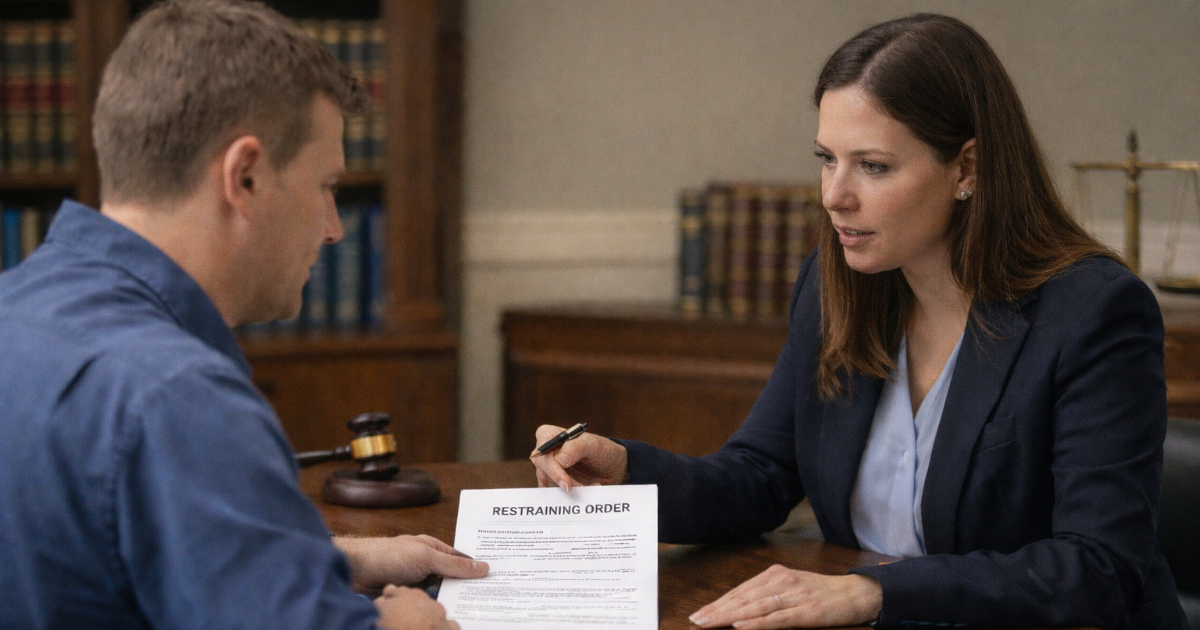
Restraining Orders and Their Impact
Permanent restraining orders and protective orders can be highly restrictive, making it hard for you to go about your normal life. Once you’ve been convicted of domestic violence, you may not be able to work, live, or frequent areas where the other party is likely to be found. You will find that it is hard to spend time with your children and may require complex hand-offs or pick-ups when the other party isn’t around. Your ability to see members of their family, and even your family, may be restricted.
Domestic Violence Conviction Expungement
Many first-time offenders hope to have their domestic violence charge erased or sealed after the case ends. Unfortunately, domestic violence convictions cannot be expunged or sealed according to Colorado domestic violence laws. Once you’re convicted, it remains on your permanent criminal record.
However, if your case is dismissed, acquitted, or results in a deferred judgment and dismissal, you may be eligible to have your record sealed. This process can prevent the general public, like employers or landlords, from seeing your arrest and charges.
A Denver criminal defense attorney can review your case and determine whether you qualify for record sealing or other post-conviction relief options. Acting quickly is important, since paperwork and court deadlines can affect your eligibility.
How a Colorado Domestic Violence Attorney Can Help
A criminal defense attorney is your most valuable resource when facing domestic violence charges. Legal representation can help you:
- Understand the legal process: Learn what to expect in court, what your options are, and the consequences of each decision.
- Negotiate better plea deals: A skilled lawyer can often reduce or avoid the harsh penalties tied to a domestic violence conviction.
- Build a domestic violence defense: A Denver criminal defense attorney can gather and preserve key evidence like texts, emails, and witness testimony to establish reasonable doubt.
- Challenge false accusations: Your attorney can reframe disputes as mutual altercations or demonstrate that your actions were in self-defense.
- Protect your future: With experience and strategy, a defense lawyer can minimize long-term effects on your record, rights, and reputation.
Colin Bresee has helped many people facing a criminal charge for the first time. He understands that you may be confused, scared, angry, maybe all three, or have feelings you can’t even describe. Let his experience guide you through this difficult situation to help you make the best of it. He knows when it’s best to take a deal, and when it’s best to fight all the way to a trial, and he’s prepared to stand by you, no matter how hard the fight might be.
Our law firm is ready to help you. Please contact the Law Office of M. Colin Bresee today for a free consultation. It’s completely confidential, and there is no obligation. Get the best possible outcome for your case!
Disclaimer: Past results do not predict future performance. Neither this page nor any other on the website constitutes legal advice and does not establish a client-attorney relationship.