Drinking alcohol and driving a car are both common activities for American adults, and both are legal, except when they’re done together. However, considering the frequency with which people drive, every drinker is likely to drive at some point after having a drink. So how does the law determine that it’s safe to drive again after alcohol use? Blood alcohol concentration, or blood alcohol content (BAC), is the legal standard used to determine when a person has recovered sufficiently from drinking alcohol to be able to drive again.
Although you can find dozens of helpful references that can provide rough guidelines for these questions, the truth is complicated, and making a bad decision about whether you are recovered or not can have significant consequences. Your BAC determines whether you might be charged with driving while ability impaired (DWAI) or driving under the influence (DUI), the latter being a more serious offense. Getting behind the wheel without a good sense of your BAC can lead to serious consequences like jail time, fines, and a suspended license, even if no one is seriously hurt. If someone is hurt or killed, DUI charges can escalate the consequences substantially.
When you are facing charges for DUI or DWAI, you need the help of an experienced defense attorney to help you manage the consequences of your charges and preserve your rights and freedoms now and in the future. Denver defense attorney M. Colin Bresee has helped many clients navigate DUI and DWAI charges while ensuring their due process rights are protected and unfair consequences are avoided. To learn how he can help you, contact the Law Offices of M. Colin Bresee right now for a free consultation regarding your DUI or DWAI case.
What Is BAC and How Is It Used in Colorado DUI Cases?
BAC is defined as the amount of alcohol in your blood by volume. This is typically reported as the number of grams per 100 mL of blood, most often simply as a percentage.
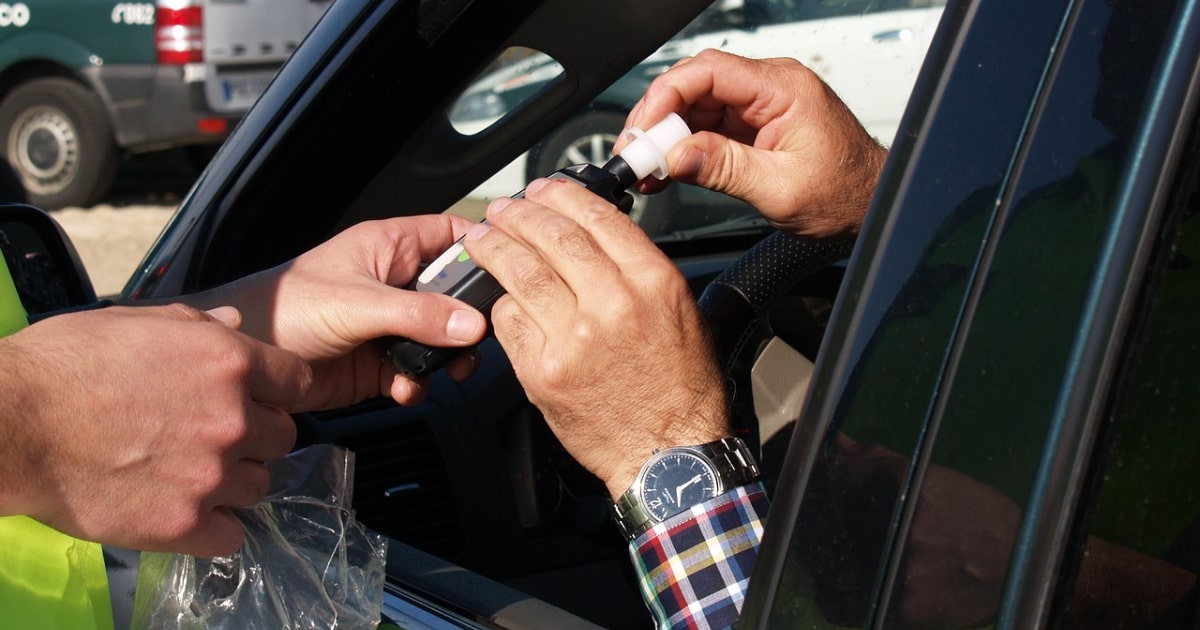
BAC can be measured using either a blood test or a breathalyzer test. In a blood test, the actual amount of alcohol is measured in the blood to give a true percentage. In a breathalyzer test, the device analyzes the contents of your breath, turning alcohol (and sometimes other compounds) into acetic acid (vinegar). This reaction creates a current that the device can measure to estimate the amount of alcohol in your blood. This estimate is considered sufficient evidence for legal proceedings, but you do have the right to request a blood alcohol test if you believe the breath test might be inaccurate. However, once you choose a type of test, changing your mind will be considered a refusal to take the test.
The charges you might face depend on the BAC levels the test indicates:
- 0.08%+ = DUI
- 0.05%–0.079% = DWAI (Driving While Ability Impaired)
- 0.15%+ = Aggravated DUI (increased penalties)
- 0.02%+ = Underage DUI (zero-tolerance policy)
Unless there are reasons to doubt the accuracy of BAC testing, your result will determine whether you might be charged and what charges you might face. Even a first offense for DUI can lead to a loss of your license for several months, serious fines, and jail time. If you are being tested for BAC, it’s important to pay attention to the procedures that officers and others follow. Problems with the testing procedure can introduce doubt about the results. A DUI defense attorney can help you build a case to avoid unfair charges and penalties, including loss of freedom.
8 Key Factors That Affect BAC and Impairment
If you are drinking, understanding the factors that will impact how your drinking habits contribute to your BAC will help you decide how to best control your drinking. It will also help you decide when it is safe for you to drive.
Here are eight important factors to take into account:
1. Amount and Rate of Alcohol Consumption
The biggest factor contributing to your BAC is the number of drinks you consume and how fast you consume them. When talking about drinking, doctors and others often refer to the concept of a “standard drink,” which is defined as a 12 oz beer with an alcohol content by volume (ABV) of 5%, a 5 oz wine with an ABV of 12%, or a 1.5 oz shot with an ABV of 40%. All these drinks contain 17.7 g (0.6 oz) of alcohol.
The body eliminates alcohol slowly (an average of 0.015% BAC per hour), so the faster you drink, the more your BAC will increase. Your BAC will also increase faster if you are not consuming non-alcoholic drinks, like water, in between the drinks that do have alcohol. Non-alcoholic drinks help increase fluid volume, diluting the alcohol and encouraging its elimination through urine. Pacing yourself and staying hydrated not only slows the rise of your BAC but also supports safer, more responsible drinking.
2. Body Weight and Composition
Your BAC is a formula comparing the amount of alcohol to the amount of blood in your body. A larger person has more blood in their body, so the same amount of alcohol is being distributed through that extra blood.
The composition of your body matters, too. Muscle tissue has more blood vessels, so a person with more muscle mass likely has more blood per pound of body weight than someone with more body fat, since fat contains fewer blood vessels.
3. Sex and Hormonal Differences
BAC isn’t differentiated by sex. Women and men get charged with DUI at the same BACs. However, sex matters when it comes to alcohol. There are two factors at play here.
- Body Composition: At the same weight, women tend to have more fatty tissue than men. Because alcohol is water-soluble and not fat-soluble, this difference means women generally have less body water available to dilute alcohol, resulting in higher BAC levels compared to men after consuming the same amount of alcohol.
- The Ability to Eliminate Alcohol: Women have up to 40% less alcohol dehydrogenase, the primary enzyme responsible for breaking down alcohol, than men, which means that they do not process alcohol as quickly. As a result, alcohol stays in their system longer and can lead to higher blood alcohol concentrations even with lower levels of consumption.
4. Food in the Stomach
An empty stomach will cause your BAC to rise faster. If you have food in your stomach, it will slow the absorption of alcohol. Food can absorb or bind alcohol or just physically prevent it from reaching the lining of the stomach, where it can pass into the bloodstream. The biggest roadblock is if food in the stomach keeps alcohol from entering the small intestine, which has a high surface area.
The type of food you eat can also impact absorption. Carbohydrates slow the absorption of alcohol, while proteins speed absorption.
Note that food has mixed effects on BAC. Although it can slow the rise of BAC, it won’t likely slow it enough for your body to fully keep up. However, it might slow it enough that you might consume more drinks because you haven’t felt them yet, causing you to drink more and leading to a higher BAC overall.
5. Metabolism and Enzymes
Although some alcohol is eliminated through breath, sweat, and urine, at least 90% of alcohol is eliminated through the action of the liver enzyme alcohol dehydrogenase. However, the level of this enzyme can vary significantly among individuals.
As we noted above, women tend to have less of this enzyme. In addition, the body’s production of this enzyme decreases with age. Finally, an unhealthy liver produces less alcohol dehydrogenase. This can further slow the metabolism of alcohol, increasing its effects and the time it remains in the bloodstream.
Having a higher metabolism might help your body process alcohol more quickly. Some evidence suggests that exercise might help decrease BAC, but this evidence is not reliable and should not be used as a method to sober up or lower BAC levels.
6. Type of Alcoholic Beverage
From a long-term health standpoint, standard drinks are equivalent, but in terms of raising your BAC, different types of alcohol are not the same because they come with different amounts of liquid. After one beer, a person with 5,000 mL of blood (a common estimate) would see their BAC rise less than with other forms of alcohol because it comes with 354 mL of water, which adds to overall fluid volume and slightly dilutes the alcohol concentration in the bloodstream, leading to a lower BAC. On the other hand, drinking a glass of wine only includes 147 mL of water, and drinking a shot includes only 44 mL of liquid.
It’s important to know that many drinks don’t conform to the standard drink definition. Certain popular beer styles (like stouts and IPAs) typically have ABVs in the range of 7% or more. Other beer styles like tripels, quads, and barleywines may routinely exceed 10% ABV. Anything with the label “imperial” or “double” may have an ABV of 50% or more higher than the normal style. Likewise, some wine styles, like Madeira or port, have an ABV of 20% or more. If you are drinking spirits, pay attention to the listed proof on the bottle, and know that anything listed as “cask strength” or “barrel proof” might be as much as 70% alcohol.
In addition, carbonated drinks, like beer, champagne, or soda mixers, can speed up the absorption of alcohol.
7. Hydration
BAC depends on the volume of blood into which you are introducing alcohol. When you are well hydrated, your BAC will be lower because you have a healthy volume of blood. Dehydrated people might have nearly 10% less blood volume and will experience higher BAC after consumption of the same amount of alcohol.
8. Medications and Health Conditions
There are many medications that can interact with alcohol in dangerous ways. Some medications, such as sedatives, can amplify the effects of alcohol on your ability to drive or perform other complex tasks. Others, like antibiotics, antidepressants, aspirin, antihistamines, and antacids, can impact your body’s ability to eliminate alcohol, increasing your overall BAC.
In some cases, certain medications may make your BAC seem higher than it actually is. This can happen because some drugs interfere with how your body metabolizes alcohol or affect breathalyzer results by releasing alcohol-like compounds, leading to inaccurate BAC readings.
How Long Does It Take to Lower Your BAC?
Eliminating alcohol from your body is a slow process. The rule of thumb is that your body can metabolize the alcohol from one drink in an hour. However, a more realistic estimate is that your body metabolizes alcohol at the rate of 0.015% BAC per hour.
If, for example, your blood alcohol was at 0.08% after you stopped drinking—enough for a DUI—it would take more than two hours without drinking for your body to reduce your BAC below the level for a DWAI, 0.05%.
How a Colorado Criminal Defense Lawyer Can Help
The consequences of a DUI are too serious to simply accept if you feel you’re being charged unfairly. Many DUI charges are based simply on BAC results, and these can be inaccurate for many reasons. The test can be inaccurate if the devices are not properly calibrated or if procedures aren’t followed precisely. In addition, there are many factors that can skew the results, including your health, medications, and even your diet. Colorado criminal defense lawyer, M. Colin Bresee, has helped many people avoid penalties based solely or largely on flimsy BAC results. He also offers free consultations, so there’s no risk in finding out how he can help in your situation.
Don’t Wait, Contact Attorney M. Colin Bresee Today
BAC is affected by many factors. Some of these are in your control, such as how much you drink and eat. Others might be out of your control, such as your metabolism, hormones, medical conditions, and medications. The unfortunate truth is that small changes in BAC can mean big differences in the legal charges and consequences you face. Criminal defense attorney M. Colin Bresee knows how to fight for a fair evaluation of your case and work to ensure the charges and penalties are appropriate, which could mean reduced charges or even a full dismissal, depending on your situation.
Please contact attorney M. Colin Bresee for experienced Colorado DUI defense.
Disclaimer: Past results do not predict future performance. Neither this page nor any other on the website constitutes legal advice and does not establish a client-attorney relationship.